By Shannon Bussnick, LSW
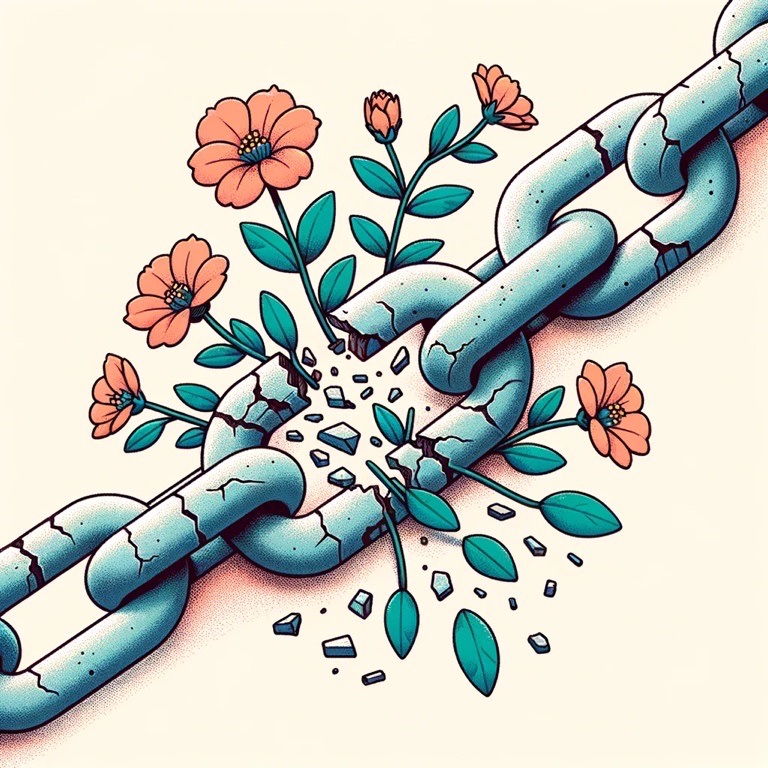
Trauma often comes uninvited into our lives, leaving a trail of emotional, psychological, and physical reactions in its wake. It’s like an unwelcome guest that doesn’t know when to leave. A headache that won’t subside, leaving us tucked away under the covers desperately awaiting relief.
Each distressing event we encounter has the potential to morph into trauma, whose symptoms manifest in various aspects of our lives.
Our society is no stranger to trauma—with a notable number of us experiencing its cold touch at some point in our lives. The silver lining amidst this cloud is the increasing availability of specialized care, offering a ray of hope for managing symptoms and embarking on a healing journey toward recovery.
Confronting the ghosts of painful memories isn’t a walk in the park though. It’s only human to minimize, deny, or compare our suffering to others in an attempt to shield our minds from re-experiencing the torment. While this method of self-protective offers temporary comfort, it inadvertently prolongs the healing process, leaving us susceptible to continued suffering.
Recognizing the signs and knowing when to seek help isn’t just crucial, it’s a decisive step on the road to recovery.
In this post, we delve into the different faces of trauma, its diverse manifestations, and how to recognize it’s time to ask for help.
Understanding Trauma
Trauma wears many masks—acute, chronic, or complex—each stemming from different kinds of distressing events.
The aftermath of a traumatic encounter often spirals into a myriad of cognitive, behavioral, psychological, and physical changes that disrupt the rhythm of our daily lives.
A gamut of symptoms, including mood swings, anxiety, depression, substance misuse, and relationship hurdles, often unveil the presence of trauma lurking in the shadows.
Although the initial response to distressing events may wane with time for some, others might find their lives entangled in the long-term grip of trauma, making the healing journey seem like an uphill climb.
Post-Traumatic Stress Disorder
In some instances, the symptoms escalate, morphing into a more severe form known as Post-Traumatic Stress Disorder (PTSD).
This transition is like a silent tide that slowly engulfs the shore, with symptoms ranging from intrusive memories and avoidance to negative changes in thinking and mood. The spectrum of symptoms varies, often intensifying during stressful periods or when reminders of the event resurface.
Early Childhood Trauma
The tender years of early childhood, though seemingly protected, are not immune to the clutches of trauma.
Once thought to be shielded due to their inability to articulate thoughts and emotions, young children too bear the brunt of distressing events, especially those posing a threat to them or their caregivers.
The impact of traumatic stress in children stems from a myriad of sources like abuse, domestic violence, loss of a caregiver, or natural calamities, to name a few.
The manifestations of trauma in children weave a different narrative, affecting their verbal skills, memory, behavior, learning, and emotional development.
Adverse Childhood Experiences
Adverse Childhood Experiences (ACEs) serve as potential seeds for trauma, cultivating a fertile ground for emotional and psychological distress.
The perception of what’s considered “traumatic” often lies in the eye of the beholder, leading to a varying impact of the same event on different individuals.
The journey of ACEs doesn’t end in childhood, but often echoes into adulthood, with a higher number of ACEs increasing the likelihood of various challenges later in life.
When to Seek Help
When the storm of traumatic memories threatens our overall health and well-being, it’s a signal to reach out for a lifeline. Seeking help is not a sign of weakness, but a courageous step towards reclaiming the reins of our life.
Treatment is Available
Admitting we need support might be tough, but it’s the key to unlocking the door to healing.
Many therapeutic techniques can aid us in our healing journey, each offering a unique path toward overcoming trauma.
Some examples are trauma-focused CBT (TF-CBT), eye movement desensitization and reprocessing (EMDR), psychodynamic therapy, narrative therapy, somatic therapy, and inner child work.
[Seeking assistance from a trained professional will allow you to find the techniques best suited for you]
The vulnerable journey from recognizing trauma to seeking help is a testament to our resilience. With every step we take, we move closer to healing, to feeling safe once again.
As always, take care of yourself.
Vienna Lane
Disclosure: While I am a licensed social worker with experience and a keen interest in supporting individuals facing communication challenges, it is important to note that I am not a medical professional. The information provided in this blog is intended for discussion and insight purposes only and should not be considered medical advice or a substitute for consultation with a licensed healthcare or mental health professional.


Leave a comment