By Shannon Bussnick, LSW
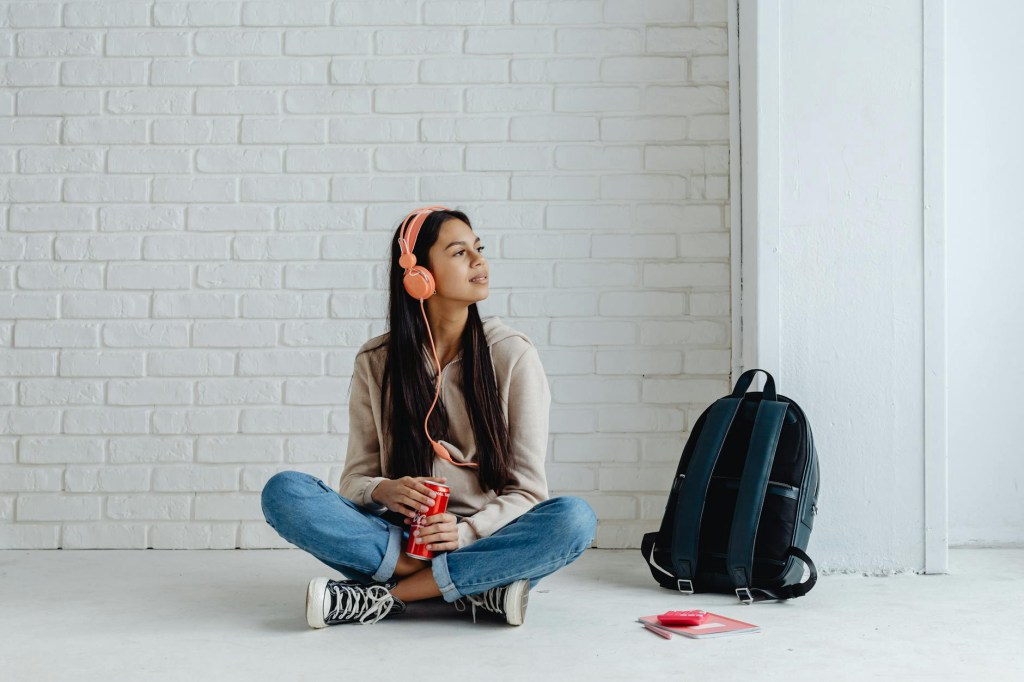
Have you ever settled into a cross-legged position and immediately felt a wave of comfort?
It’s a familiar posture that many of us have embraced since childhood, often during story time or while engaged in playful activities.
But have you ever paused to consider why this position is so ingrained in our comfort psyche?
There’s more to it than meets the eye, blending science, psychology, and even a touch of contradiction.
The Science of the Cross-legged Pose
The cross-legged position, while seemingly simple, offers significant physiological benefits. It’s a posture that reduces muscle fatigue and enhances joint stability, acting as a mini vacation for your muscles. However, maintaining this pose does require some hip action.
More than just physical comfort, it also plays the role of the ‘posture police,’ encouraging a straight spine and preventing slouching. Unlike the effort needed to maintain an upright position while standing, sitting cross-legged offers an effortless balance, making it a lazy yet effective way to keep your back happy.
A Psychological Hug or Shield?
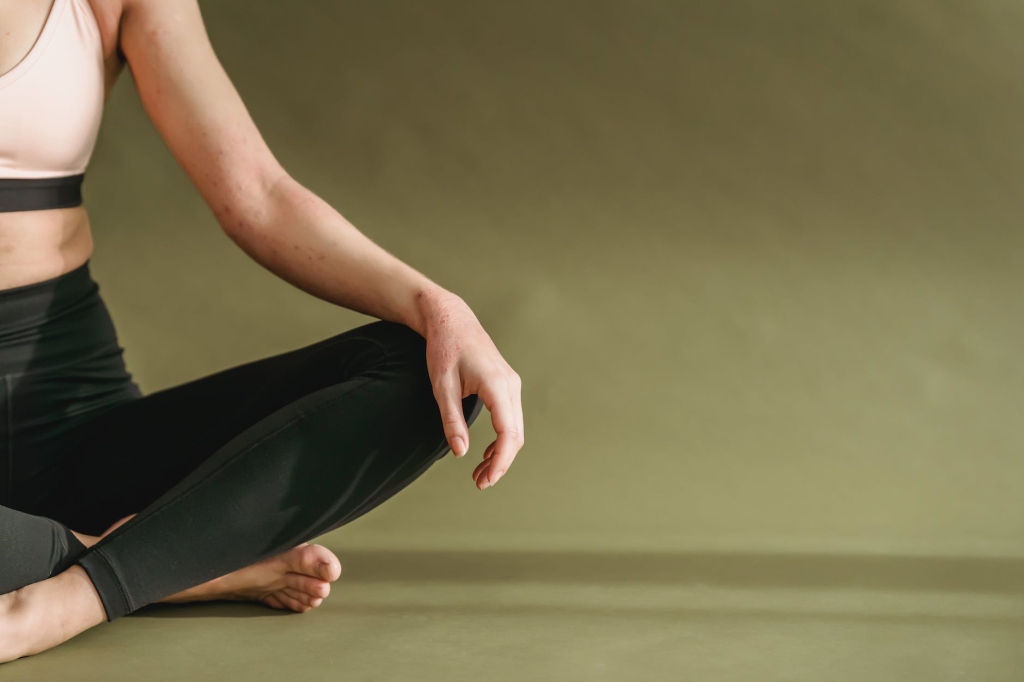
This is where the cross-legged position reveals its complexity. In the realms of meditation and mindfulness, it symbolizes peace, grounding, and calmness.
Yet, there’s another side to this story. Psychologically, crossing our legs can be a defense mechanism. When we feel vulnerable or defensive, adopting this posture is like wrapping ourselves in a protective bubble.
This fascinating duality reflects our intricate behavior – a single posture serving both as a source of peace and a shield in moments of discomfort.
Childhood Nostalgia and Historical Significance
The comfort we associate with sitting cross-legged isn’t just nostalgia; it’s a habit that has deep roots in our early years, evoking feelings of safety and collective joy.
Historically, the Cross-Legged Pose, or Sukhasana in yoga, is a staple in grounding and connecting with our breath and body. This posture has been a cornerstone for meditation and mindfulness practices, serving as a gentle reminder to stay present and cultivate inner peace. I mean, how could there be contradiction in yoga, right?
Finding Balance in Movement
While enjoying the tranquility of sitting cross-legged, it’s essential not to overlook the importance of movement. How many times has someone told you they need to stand up and get their blood flowing? i can guess, a lot. Regular physical activity is vital for mental health, helping to alleviate anxiety, boost spirits, and prevent depression. So, as you embrace the stillness of this posture, remember to balance it with moments of movement.
Embracing the Cross-Legged Paradox
In the end, sitting cross-legged is more than just a posture; it’s a blend of history, psychology, personal comfort, and a hint of contradiction. I’m still weary about the contradiction part but let’s agree to commend its fascinating duality. This simple, yet complex pose represents our childhood, our innate defense mechanisms, and our journey into meditation.
So, next time you find yourself in the cross-legged position, remember that you’re not just resting your legs; you’re embracing a world of benefits and perhaps nodding to your kindergarten self on the alphabet carpet. Just don’t forget to take a trip to the water fountain to get the blood flowing.
Reflective Questions
• When was the last time you sat cross-legged and felt a profound sense of ease?
•How do you maintain a balance between stillness and movement in your life?
References
1. National Center for Biotechnology Information. Retrieved from https://www.ncbi.nlm.nih.gov
2. ResearchGate. Retrieved from https://www.researchgate.net
3. ScienceDirect. Retrieved from https://www.sciencedirect.com
4. PsychMechanics. Retrieved from https://www.psychmechanics.com
5. Psychology Today. Retrieved from https://www.psychologytoday.com
6. U.S. Department of Health and Human Services. Retrieved from https://health.gov
7. RNtoZen. Retrieved from https://rntozen.com
 Vienna Lane
Leave a comment