
By Shannon Bussnick, LSW
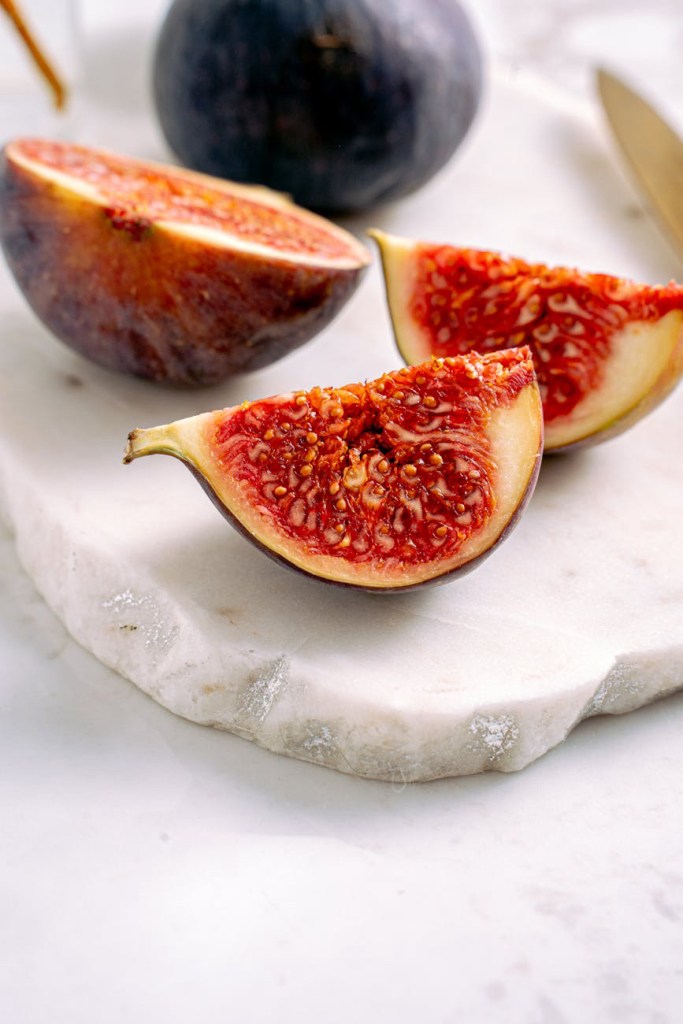
Welcome to Vienna Lane’s first edition of “Servings of Serenity,” where we explore the symbiotic relationship between our diet and our overall well-being.
In this post, we take a walk into the land of figs, a fruit that not only tantalizes the taste buds but also nurtures the mind, body and soul, making it a true superfood.
Fun fact: From a technical standpoint, figs aren’t considered fruits but are actually inverted flowers. In contrast to how trees like those of apples and peaches bear flowers, fig trees have their flowers on the inside of what appears to be a pear-shaped pod. These internal flowers transform into the figs that we enjoy, a fact that was just as surprising to us.
Benefits of Figs for Body and Mind
Figs stand out in the array of superfoods, not just for their delectable sweetness but also for their profound health benefits. Rich in antioxidants and anti-inflammatory compounds, figs work overtime to combat oxidative stress and inflammation, offering support for both physical and mental health.

These natural goodies can help reduce the risk of chronic diseases, support heart health, and lay the groundwork for improved mental well-being, combating stress and anxiety.
Mindfulness in Every Bite
Selecting and enjoying figs becomes an exercise in mindfulness, teaching us patience and presence as we seek out the perfect moment of ripeness.
This practice of mindful eating—savoring each bite, noting the textures and flavors—mirrors the nurturing and self-care we should apply in our daily lives. Good things take time. We shouldn’t rush love, so why rush the perfect fig?
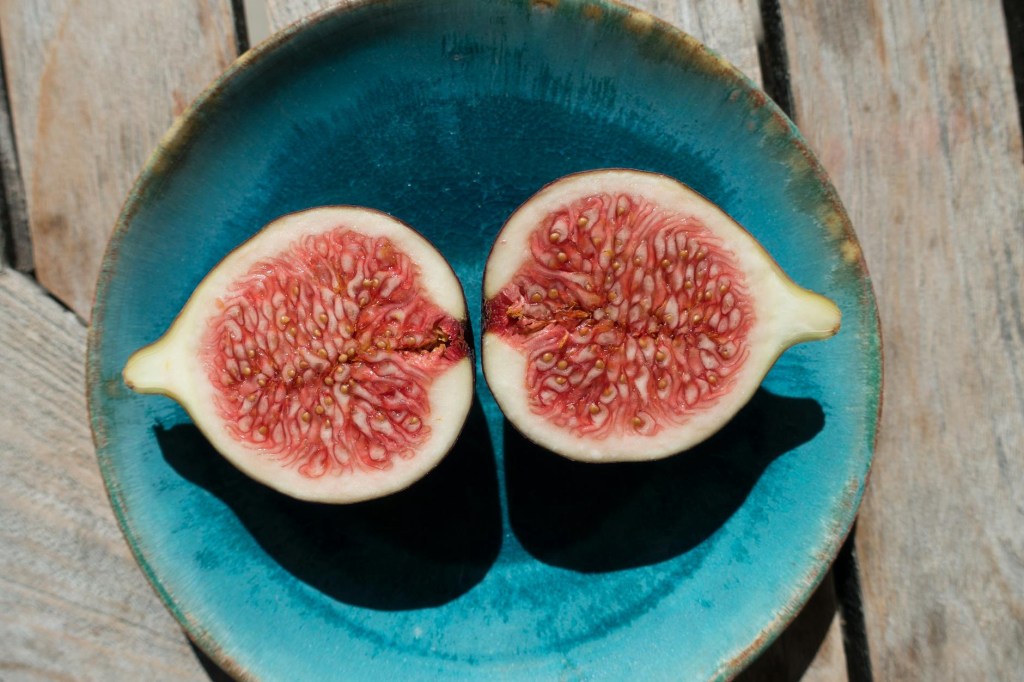
A ripe fig will feel soft to the touch, often with a slight bend at the neck. Its skin might crack, revealing the sweet flesh, a sign they’re at their prime for consumption. For longevity, fresh figs should reside in the cooler part of your refrigerator, where they can typically last for up to seven days.
Dried figs, on the other hand, boast an extended shelf life when kept in a cool, dark place, making them a practical option for feeding larger families and as a quality snack on the go.

Natural Assurance and Seasonal Awareness
Opting for organic figs and aligning our consumption with their natural cycles encourages a deeper connection with our food’s origins and the earth’s rhythms.
Typically, figs have two seasons: a brief early summer and a more abundant late summer into fall. Regions with a Mediterranean climate, such as California or Turkey, are fig havens due to their hot, dry summers and cool, wet winters, creating the ideal conditions for figs to thrive. Such mindful consumption not only enhances our appreciation for nature but also promotes sustainable thinking and action.
A Fig a Day for Mental Clarity and Family Wellness
Figs’ rich nutrient profile—including vitamin B6, calcium, magnesium, potassium, and fiber—supports bone density, muscle function, and digestive health, along with many mental wellness benefits.
Introducing figs as a fun, enjoyable part of meals and snacks for families sparks joy and creativity, setting a foundation for health and wellness. Integrating their versatility into a variety of dishes, from salads and yogurts to hearty entrees, also provides a natural sweetness and textural charm.
These homemade fig bars are incredible and a great option for breakfast on the go!

Guardians of Biodiversity
Beyond human health, figs play a crucial role in tropical ecosystems as a keystone species, supporting a wide array of wildlife and aiding in reforestation efforts.
Research highlights that over 1,300 bird and mammal species relish figs, often playing a pivotal role in seed dispersal. This dynamic is vital for reforesting efforts, underlining figs’ importance beyond human consumption.

However, the balance between particular fig trees and their pollinators, the fig wasps, is threatened by climate change, highlighting the need for environmental stewardship.
Per the United States Department of Agriculture (USDA), while there are several species of fig trees around the world, just two species are native to the United States: the Florida strangler fig (Ficus aurea) and the shortleaf fig also called giant bearded fig or wild banyan tree (Ficus citrifolia).
Each requires pollination from one species of wasps. These tiny wasp pollinators are so small and insignificant and so well hidden most of their lives that they go unnoticed, and therefore don’t even hold a common name, only a scientific one: Pegoscapus. The strangler fig is pollinated by Pegoscapus mexicanus and the shortleaf fig by Pegoscapus tonduzi.
Cultivating Figs for Your Own Convenience
For those inspired to grow their own fig trees (kudos to you by the way) varieties such as the self-pollinating (void from wasp pollination) Common Fig (Ficus carica) offer a practical and rewarding option.
A Palette of Varieties
From the pale green-skinned, red-fleshed white fig to the violet-skinned, garnet-fleshed violet fig, the diversity of figs invites exploration and experimentation in the kitchen. These varieties, including the nutrient-rich Solliès fig, offer a low-calorie, high-mineral option for nutritious, easy snacking.
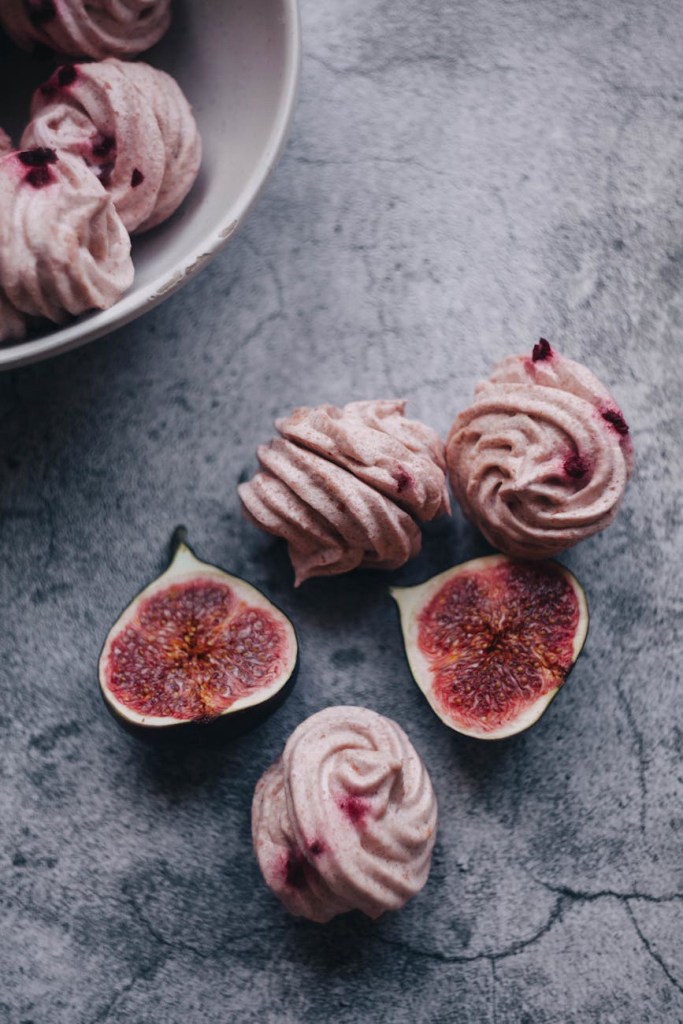
We love these Fig recipe ideas from the Food Network.
Integrating Figs into a Mindful Lifestyle
As we embrace figs in our diets, we’re reminded of the interconnectedness of our health and the environment.
“Servings of Serenity” on Vienna Lane aims to illuminate the paths to wellness through mindful eating, offering a deep appreciation for the foods that nourish us.
Figs, with their many benefits and easy elegance, serve as a perfect introduction to this journey. Join us as we explore the impact of nutrition on our mental health, well-being, and the world around us, one serving at a time.

Bringing our take, to your plate
Vienna Lane
Disclaimer: The information provided in this blog is based on personal research and experience, and is intended for educational and informational purposes only. It should not be taken as medical or professional health advice. Always consult with a healthcare professional or a qualified expert before making any changes to your diet, health routine, or physical activity.
References + Further Fig Talk
https://www.eatingwell.com/article/7961780/what-is-a-fig-plus-how-to-eat-figs/
https://www.fs.usda.gov/wildflowers/pollinators/pollinator-of-the-month/fig_wasp.shtml
https://www.1800flowers.com/blog/flower-facts/figs-fruits-or-flowers/amp/
 Vienna Lane
Leave a comment