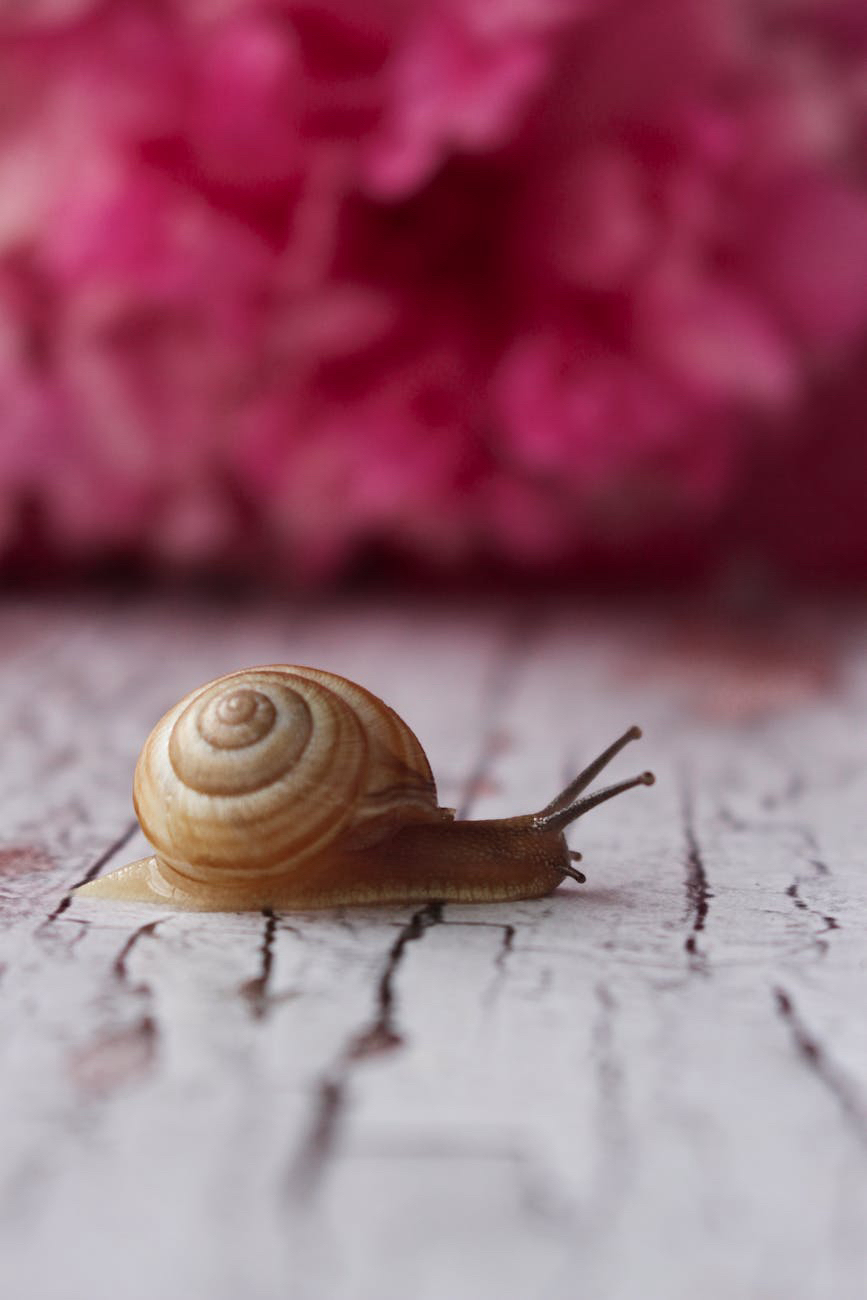
Snail mucin, often dubbed as the latest holy grail in skincare, has found its way into beauty routines worldwide. From its curious origins to its role in modern anti-aging regimens, this ingredient has sparked conversations, raised eyebrows, and even caused a few to cringe.
But what exactly is snail mucin, and why is it creating such a buzz in the beauty industry?
Let’s dive into the sticky world of snail slime and uncover the truth behind this trend.
A Slippery Start: The Origins of Snail Mucin in Skincare
The use of snail mucin in skincare isn’t as modern as you might think. Historically, the ancient Greeks, including Hippocrates, used crushed snails mixed with sour milk to treat inflammation.
However, it wasn’t until the 1980s that snail mucin’s skincare potential was scientifically explored. The story goes that Chilean farmers noticed their hands were remarkably soft and cuts healed quickly after handling snails meant for the French delicacy, escargot. This observation led to more formal studies, particularly in Korea, where snail mucin became a staple in beauty products by the early 2000s.

The Science Behind the Slime: What’s in Snail Mucin?
Snail mucin is a complex secretion composed of glycoproteins, hyaluronic acid, glycolic acid, zinc, and a plethora of enzymes, peptides, and antimicrobial agents. These components contribute to its powerful hydrating, anti-aging, and healing properties. The chemical makeup gives it a gel-like consistency, often clear to slightly opaque, with a mild earthy scent that’s generally well-tolerated.
Why All the Hype? Benefits of Snail Mucin
- Hydration: Snail mucin is a powerhouse of hydration, thanks to its high hyaluronic acid content. It’s excellent for keeping the skin plump and moisturized, which is essential for preventing fine lines and wrinkles.
- Healing and Repair: The glycolic acid and peptides in snail mucin promote cell turnover and collagen production, aiding in the repair of damaged skin and reducing the appearance of acne scars.
- Anti-Aging: With regular use, snail mucin can reduce the appearance of fine lines and wrinkles, making it a popular choice in anti-aging skincare routines.
- Brightening: The enzymes in snail mucin help to even out skin tone and fade hyperpigmentation over time.

How Long Until You See Results?
Consistency is key with snail mucin. Users typically start to see noticeable benefits after 4 to 6 weeks of consistent use, though this can vary based on individual skin types and concerns. For maintaining results, continued use is recommended, as the effects are not permanent if the product is discontinued.
Snail Mucin vs. Retinol: Which is Better?
Both snail mucin and retinol have their merits. Retinol is a powerful anti-aging ingredient known for promoting cell turnover and reducing wrinkles, but it can be harsh and cause irritation, particularly for sensitive skin. Snail mucin, while gentler, provides hydration and supports skin repair without the risk of irritation, making it suitable for a broader range of skin types. Many users find that combining the two can offer complementary benefits, but this should be approached with caution to avoid over-exfoliation.
What About Side Effects?
While snail mucin is generally considered safe for most skin types, it’s not without potential downsides. Some users might experience purging, a temporary increase in breakouts as the skin adjusts to the product. This is usually a sign that the skin is clearing out impurities, but if the purging lasts more than a few weeks, it might be worth reconsidering.
The Controversy: Is Snail Mucin Ethical?

One of the main controversies surrounding snail mucin is its sourcing. While some companies claim their snails are humanely farmed, others argue that the extraction process is stressful for the snails. For those concerned about animal welfare, looking for cruelty-free and ethically sourced products is crucial.
How to Incorporate Snail Mucin into Your Routine
- Start Slow: If you’re new to snail mucin, start by using it a few times a week to gauge your skin’s reaction.
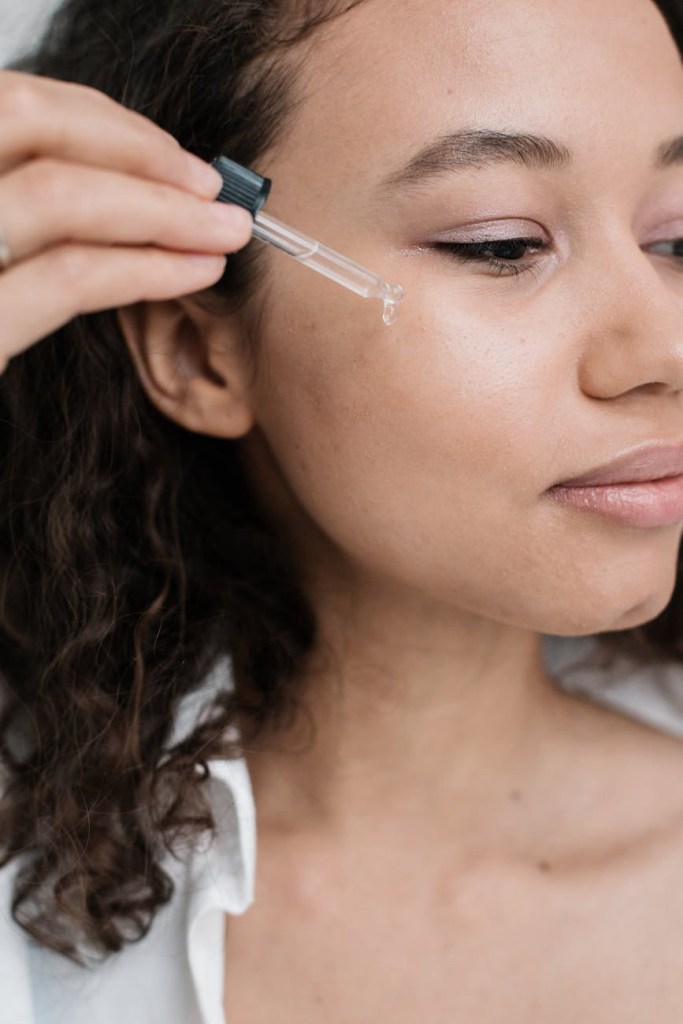
- Layering: Snail mucin is best applied after cleansing and toning but before heavier creams and oils. It can also be used as a spot treatment for specific areas of concern.
- Complementary Products: To boost the effects of snail mucin, consider incorporating other hydrating ingredients like ceramides or niacinamide. Avoid using it with too many active ingredients like strong acids or retinoids initially, as this might irritate the skin.
When to Call it Quits
If you’ve been using snail mucin consistently for 8 to 12 weeks without seeing any improvement, it might be time to reassess. Not all products work for everyone, and it’s important to listen to your skin. Slow and steady doesn’t Always win the race, right? Consider consulting with a dermatologist to find an alternative that suits your skin type better.
Our Final Thoughts
Snail mucin is more than just a fleeting trend; it’s a time-tested ingredient with proven benefits for a range of skin concerns. Whether you’re aiming for hydrated, youthful skin or looking to repair damage, this superior slime might be worth adding to your routine. Just remember, patience and consistency are crucial, and like any skincare ingredient, it’s not a one-size-fits-all solution.
Our advice: Just pretend there’s something a little less au naturel penetrating your pores!
 Vienna Lane
Leave a comment