
By: Shannon Bussnick, LSW
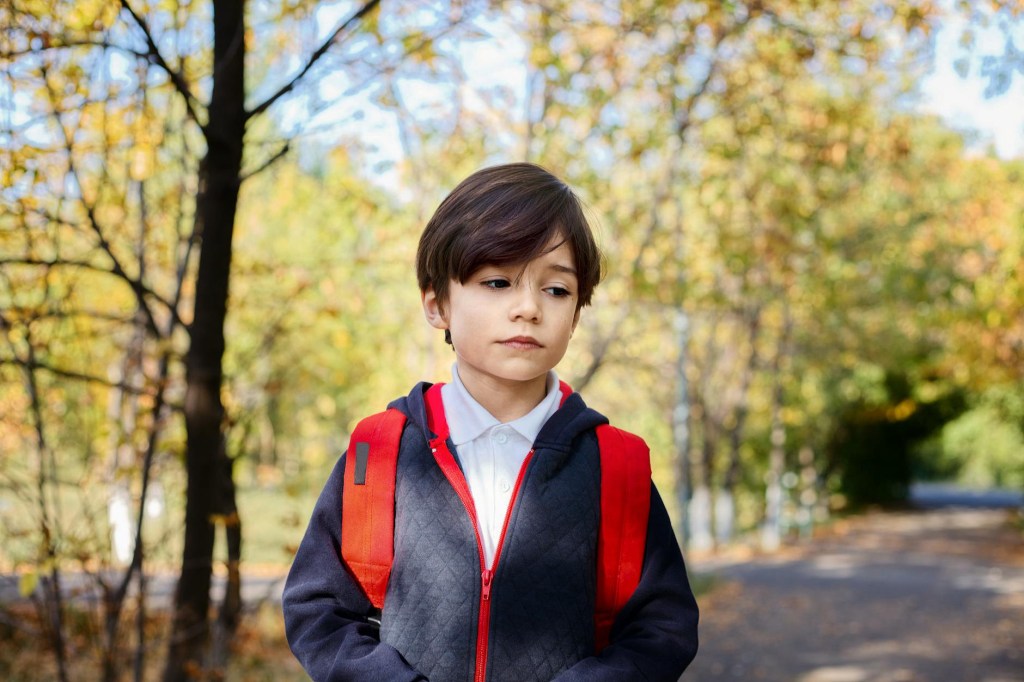
Anxiety in children and teens can create significant challenges, especially when it interferes with attending school. Whether your child is in preschool, grade school, high school, or college, anxiety can be overwhelming.
This guide offers practical, step-by-step tips for managing school-related anxiety at each developmental stage, emphasizing the importance of advocacy and creating a supportive academic environment.
Preschool Age: Managing Separation Anxiety and School Transitions
Step-by-Step Guide:
- Acknowledge Preschool Anxiety: Separation anxiety is common in preschoolers. Validate their feelings by acknowledging their anxiety instead of dismissing it.
- Establish a Consistent Routine: Implement a daily routine to help your child feel secure. A visual schedule with pictures can make transitions smoother.
- Gradual School Introduction: Start with brief visits to the school, increasing the time spent there gradually. Familiarizing your child with the environment, teachers, and classmates helps reduce anxiety.
- Comfort Items for Security: Allow your preschooler to bring a comfort item from home, such as a favorite toy, to ease their transition.
- Introduce Mindfulness for Preschoolers: Teach simple breathing exercises or a calming mantra that your child can use when they feel anxious.
School Age: Supporting Children Through School Anxiety
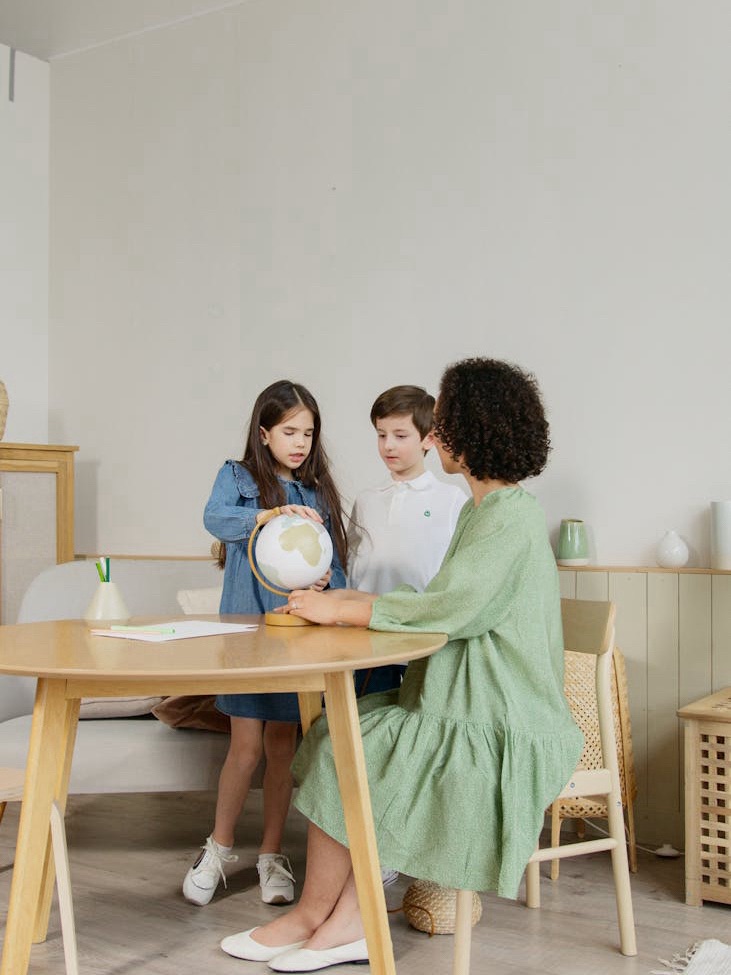
Step-by-Step Guide:
- Open Dialogue About School Anxiety: Regularly discuss school-related fears with your child. Encourage them to talk about their worries openly.
- Promote Healthy Habits: Ensure that your child gets enough sleep, eats a balanced diet, and engages in regular physical activity to help reduce anxiety.
- Set Manageable Goals: Break down their school day into smaller, more manageable tasks. Celebrate small victories to build confidence.
- Role-Playing for Anxiety-Inducing Situations: Practice potential anxiety-inducing scenarios through role-playing. This helps them prepare for interactions with peers or teachers.
- Create a Safe Space at School: Work with the school to identify a safe place where your child can retreat if they feel overwhelmed.
High School: Navigating Peer Pressure, Bullying, and Academic Stress
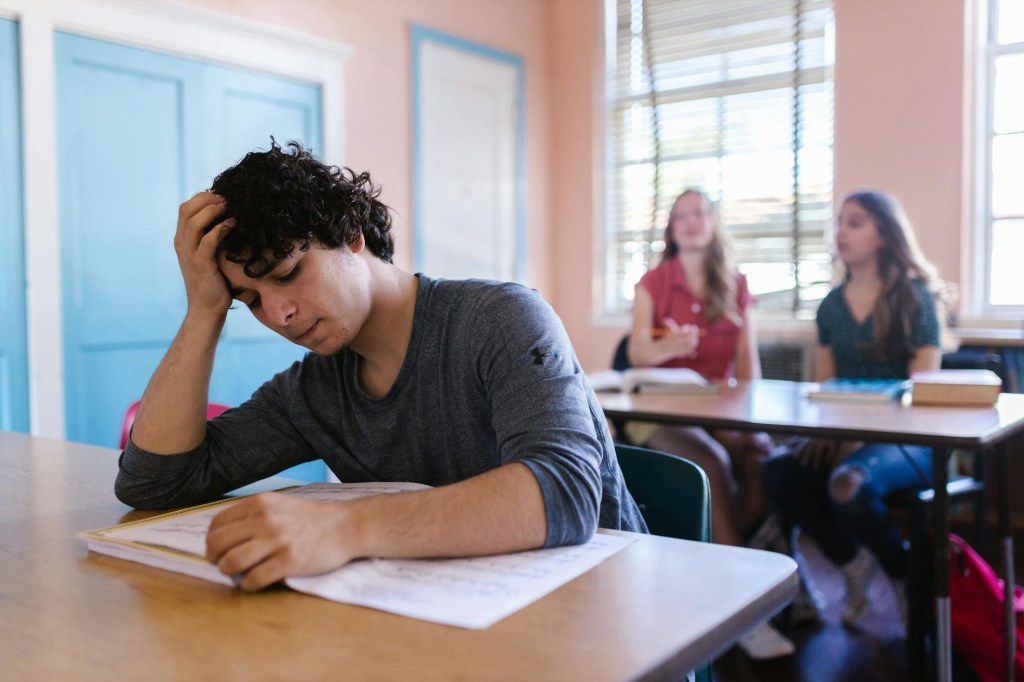
Step-by-Step Guide:
- Strengthen Coping Mechanisms: Teach teens advanced coping strategies like cognitive-behavioral techniques, journaling, or engaging in hobbies.
- Discuss Peer Pressure and Bullying: Have candid conversations about the effects of peer pressure and bullying. Ensure your teen feels comfortable discussing these issues.
- Encourage a Balanced Schedule: Help your teen create a balanced schedule that includes schoolwork, extracurricular activities, and relaxation to prevent burnout.
- Promote Independence in Decision-Making: Encourage your teen to take part in decisions about their education and mental health, fostering self-confidence.
- Seek Professional Help for Severe Anxiety: If anxiety becomes unmanageable, consider consulting a therapist who specializes in adolescent mental health.
College: Balancing Independence, Academics, and Mental Health

Step-by-Step Guide:
- Encourage College Students to Prioritize Self-Care: College students often neglect self-care due to academic pressures. Encourage regular sleep, nutrition, exercise, and mindfulness practices.
- Build a Support Network on Campus: Help your student identify campus resources such as counseling services, mental health hotlines, and support groups.
- Teach Effective Time Management: Assist your college student in creating a realistic study schedule that includes time for relaxation and social activities.
- Discuss Safe Substance Use and Sexual Health: Continue conversations about safe substance use and sexual health. Encourage informed and responsible decisions.
- Maintain Communication: Keep in touch with your college student, offering support while respecting their growing independence.
Advocacy for Children with Developmental Disorders and Mental Health Conditions

Children with developmental disorders, delays, or mental health conditions require specialized support. Advocacy plays a crucial role in ensuring they receive the necessary resources and accommodations.
- Understand Individual Needs: Work with healthcare providers, educators, and mental health professionals to tailor a support plan for your child’s unique needs.
- Promote a Supportive School Environment: Schools should provide a nurturing environment where all children feel safe and supported.
- Prioritize Well-Being: If traditional schooling is too overwhelming, explore alternatives such as homeschooling, virtual learning, or part-time school attendance.
The Importance of Routine, Self-Care, and Communication
Routine, self-care, and open communication are fundamental in managing anxiety across all age groups.

- Routine: A predictable routine reduces uncertainty and helps alleviate anxiety. Incorporate regular times for meals, sleep, and activities.
- Self-Care: Prioritize sleep, nutrition, and physical activity. Encourage mindfulness practices such as meditation, deep breathing, or yoga to help manage stress.
- Communication: Maintain an open, non-judgmental line of communication. Children and teens should feel comfortable discussing their fears and anxieties without fear of criticism.
Addressing Peer Pressure, Bullying, Safe Sex, and Substance Use
As children grow, they face increasing social pressures that can exacerbate anxiety. Address these issues head-on:

- Peer Pressure: Talk about the impact of peer pressure on mental health. Teach them to recognize and resist negative influences while fostering positive friendships.
- Bullying: Ensure your child knows how to report bullying and advocate for a school environment where bullying is not tolerated.
- Safe Sex and Substance Use: Provide accurate information about safe sex and the dangers of substance use. Encourage your teen to make informed, responsible decisions.
Resources and Long-Term Support

Having access to the right resources can make a significant difference in managing anxiety:
- Therapy and Counseling: Individual or group therapy can provide essential support. Consider options like CBT, which is effective for anxiety.
- School Accommodations: Work with the school to create an IEP or 504 plan that includes appropriate accommodations.
- Support Groups: Join support groups for parents and children facing similar challenges. Sharing experiences can be incredibly validating and empowering.
By following these steps and advocating for your child or teen, you can help them manage their anxiety and ensure they have the tools they need to succeed both in and out of the classroom. Remember, every child and family is unique, as their academic journey will be.
 Vienna Lane
Leave a comment