
By: Shannon Bussnick, LSW and mom of three
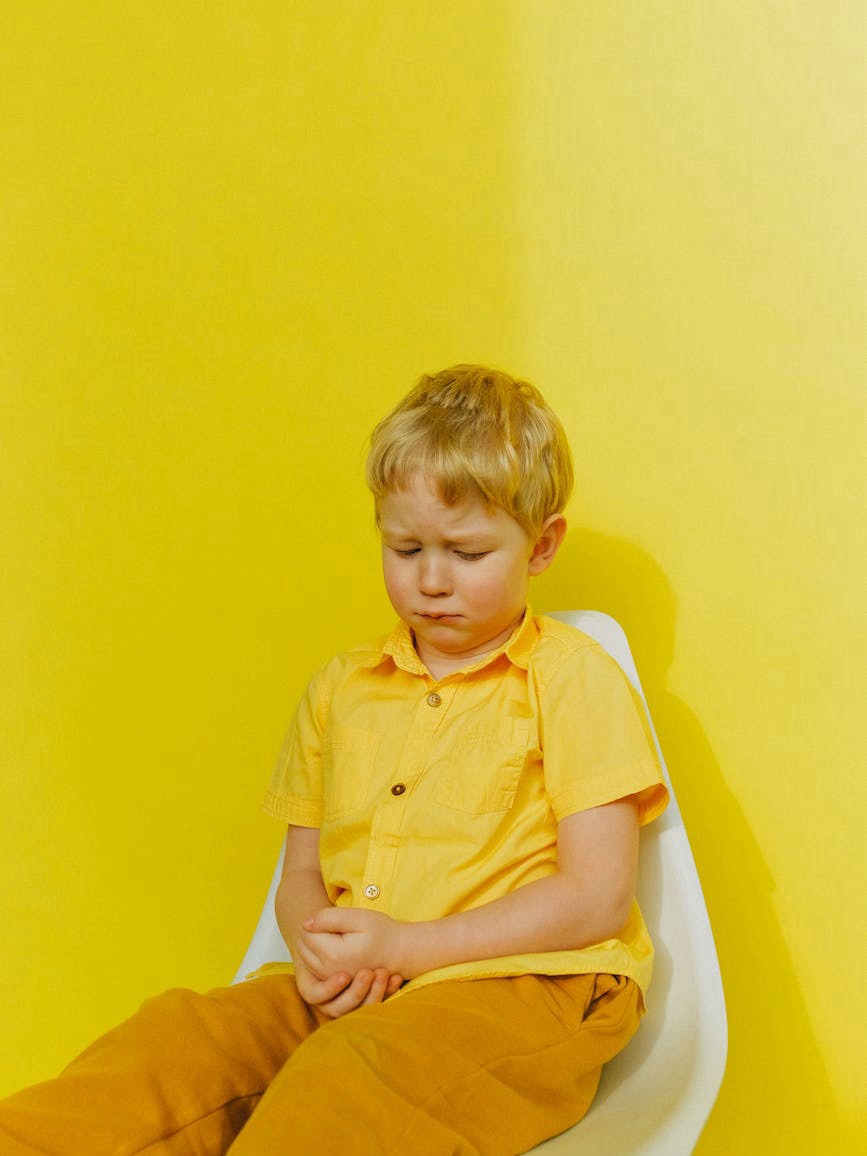
The world of a two-year-old is complicated, to say the least. One moment, they are smiling, exploring their environment with a sense of joy and wonder; the next, they are tearful and solemn—or easily frustrated by just about anything or anyone they come in contact with!
Though this up-and-down behavior may be puzzling for parents to understand at first, and perhaps a bit exhausting to navigate each day, such varying emotional states are quite normal and are a result of healthy toddler development.
When looking at the many research studies conducted on the emotional development of two-year-olds, there are many significant findings. In particular, it’s widely accepted that how a child is cared for, the safety of their environment, and their exposure to positive learning experiences can all play a large part in helping—or hindering—the creation of a secure, confident sense of self.
The Emotional Development of Two-Year-Olds: What the Experts Say
To understand the emotional development of two-year-olds and to provide the safety and security they need to thrive, we must look at the world from their perspective.
We must remember that a two-year-old’s life experience is limited; how they view and make sense of the world around them is molded by every minor and major interaction they have—the good, the bad, and the impartial.
Let’s take a look at some of the emotional milestones to expect at this age:
The Formation of a Sense of Self
Starting around the age of 18–24 months, it’s common for children to understand the concept of having their own identity.
As stated by Dowling (2014), “We begin to recognize ourselves from early on. After about 18 months old, a toddler will have a pretty good idea that the reflection shown in a mirror is a representation of herself… This heralds the early recognition of self.”
Even before a toddler begins recognizing the ‘self,’ young babies start to form a picture of themselves based on how they are treated by those closest to them—especially their mothers. A mother’s love and recognition are often the first signals that they are someone who matters.

If this early emotional connection does not occur in infancy, or if the attachment is strained or conflicted in any way, the emotional development of toddlers can be greatly affected.
Mimicking Others
At this age, children begin to mirror the behavior and emotional responses they are exposed to the most—even if they cannot make complete sense of that behavior yet.
In the study Toddlers’ Understanding of Peers’ Emotions, it was demonstrated that by the end of the second year of life, toddlers are more sophisticated readers of emotional messages, as well as of peers. Since two-year-olds are constantly observing the emotional messages conveyed to them, it’s also suggested that this is a time when empathy may start to develop (Nichols et al., 2010).
Still, while many children are making strides with social referencing and playing with or alongside others, the desire for independence, autonomy, and self-expression will continue to be at the forefront.
Difficulty Regulating Emotions
With new emotions and experiences flooding their growing brains by the minute, it can be difficult for two-year-olds to control and regulate emotional impulses.
As a result, while learning to process new information, understand boundaries and rule-setting, and communicate as best they can with a limited vocabulary, it’s common for undesirable behavior to show up in the form of crying, hitting, yelling, or biting.
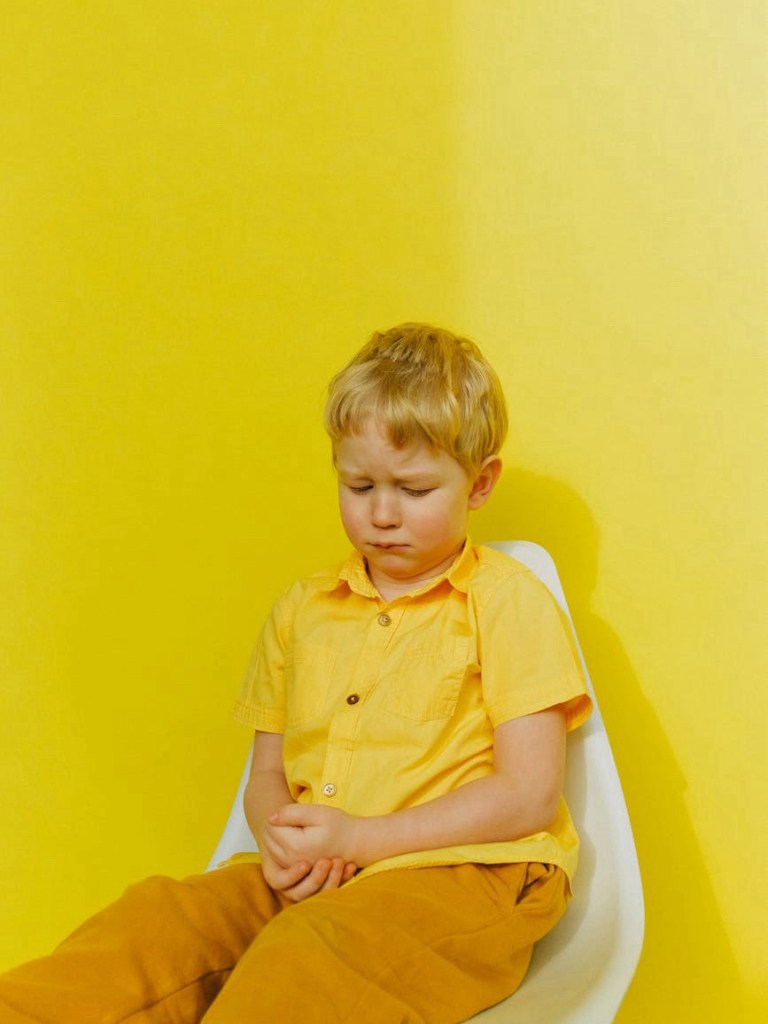
Although this behavior may be taxing for parents, caretakers, and professionals to address, it’s vital to accept and respect the emotions experienced by a toddler; it’s not usually the emotion that is problematic, but rather the actions or interpretations that can follow (Hyson, 2004).
By saying, “I understand you’re frustrated, and it’s OK to be frustrated—but it’s not OK to hit,” we allow a child to own their emotions while also finding more productive ways to cope with hard feelings. While certain undesirable behaviors are common as toddlers try to regulate emotions and communicate their wants and needs, such behavior should not be ignored or encouraged. If you notice your child is frequently agitated or under stress, it’s always recommended to talk to your pediatrician.
Defiant Behavior
During this developmental stage, it’s common for toddlers to begin testing limits—especially in the environment they’re most familiar with, and with those they’re closest to.
In other words, if a two-year-old is told not to do something, they will most likely try their hardest to do it. This is because a level of trust and comfort has already been established with their caretakers, which makes risk-taking feel more exhilarating and increases the desire to assert their newfound independence.

For this reason, individuals closest to a child often have the most influence, and responsibility, when it comes to guiding a two-year-old’s emotional development.
Final Thoughts on the Terrific vs. Terrible Twos
Understanding the emotional development of two-year-olds can feel overwhelming, but recognizing key milestones such as the formation of a sense of self, mimicking others, and learning to regulate big emotions can help parents and caregivers through this fundamental stage. By providing a nurturing environment, setting clear boundaries, and validating your toddler’s feelings, you support positive growth and development.
Remember, if your toddler shows signs of stress or persistent emotional difficulties, consulting a pediatrician can provide guidance and link you to helpful resources. Remember, the emotional rollercoaster of the terrific twos (in our opinion) is a natural part of healthy development, and with patience and support, your family can thrive.
References
• Hyson, M. (2004). The emotional development of young children: Building an emotion-centered curriculum (2nd ed.). Teachers College Press. https://books.google.com/books?id=U2vUpLQwOxoC
• DiProperzio, L. (2022). Social development milestones: Ages 1 to 4. Parents. https://www.parents.com/toddlers-preschoolers/development/social/social-development-milestones-ages-1-to-4/
• Nichols SR, Svetlova M, Brownell CA. Toddlers’ understanding of peers’ emotions. J Genet Psychol. 2010 Jan-Mar;171(1):35-53. doi: 10.1080/00221320903300346. PMID: 20333894; PMCID: PMC3355524.
 Vienna Lane
Leave a comment