
By Shannon Bussnick, LSW and mom of three
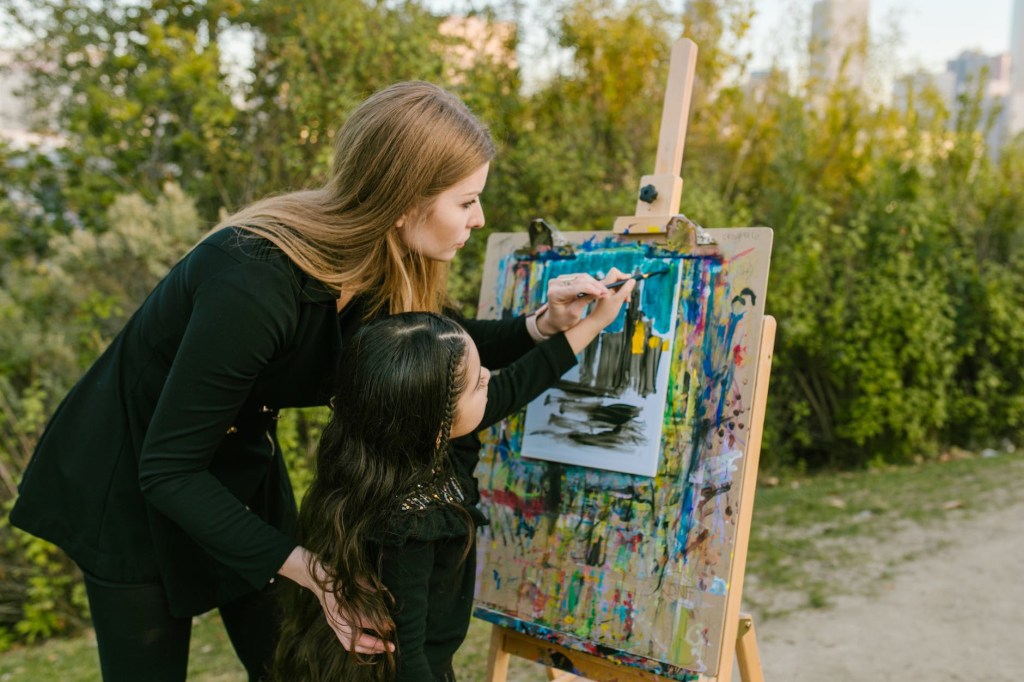
The decision to homeschool is one that many parents grapple with, especially in today’s rapidly changing world. If you’ve ever found yourself questioning the potential outcomes of homeschooling—wondering if it might lead to socially awkward children—you’re not alone. As a mother of toddler twins and a preschooler, I’ve also pondered the best educational path for my children.
Let’s dive into the real concerns surrounding homeschooling, particularly when met with that all-too-common question:
Are homeschooled kids socially awkward?
The Growing Interest in Homeschooling
Homeschooling has become a hot topic, sparking debates among parents, educators, and experts alike. Many parents are considering homeschooling as an alternative to traditional education, driven by a desire for more control over their children’s learning environment, curriculum, and social interactions. Whether it’s due to a move, health concerns, or simply a desire for more family time, homeschooling is a decision that can adapt to your family’s unique needs.
According to the National Home Education Research Institute:
As of 2022, home-based education accounted for over 3 million students in the United States, illustrating a significant shift in how education is approached.
This rise in homeschooling reflects a growing recognition of the diverse educational paths available and the belief that tailored learning experiences can lead to better academic outcomes for children.
Additionally, the flexibility offered through homeschooling allows families to incorporate various teaching methods, from hands-on, experiential learning to more structured curricula, ultimately fostering an environment that supports each child’s individual strengths and interests.
Addressing the Social Stigma: Are Homeschooled Kids Really Socially Awkward?
One of the most common concerns about homeschooling is the fear that children will miss out on crucial social interactions, leading to social awkwardness. But is this really the case? The idea that homeschooled children lack social skills is often based on misconceptions rather than facts.
In our society, there’s a strong emphasis on achieving “acceptable” social skills, often at the expense of a child’s wellbeing and natural cycle of growth and development. Many parents worry that without the traditional school setting, their children won’t develop the expected social competencies needed to thrive in the real world. However, this concern may be overblown and is more socially engrained rather than truth based.

What Does the Research Say?
Contrary to popular belief, research suggests that homeschooled children are not at a disadvantage when it comes to social development. In fact, studies like “Evidence for Homeschooling: Constitutional Analysis in Light of Social Science Research” indicate that homeschooled children often score higher on social development scales compared to their traditionally schooled peers.
Social skills are influenced by various factors, including upbringing, life experiences, and individual personality traits. Homeschooling, when done thoughtfully, can provide ample opportunities for social interaction, fostering well-rounded development.
Overcoming Social Awkwardness: Beyond the Stereotypes
It’s essential to understand that “socially awkward” is a misleading label. Children may appear socially awkward for various reasons, such as learning disabilities, developmental disorders, or mental health challenges. In many cases, homeschooling is chosen precisely because it offers a more tailored and supportive environment for children who may struggle in traditional settings.
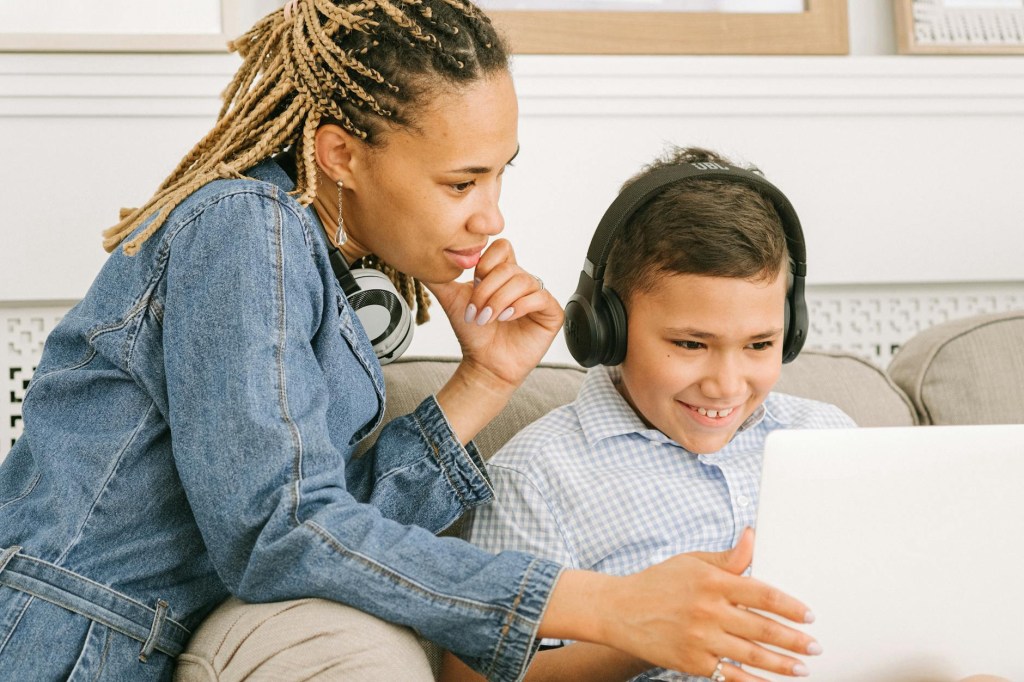
Instead of focusing on labels, it’s more productive to look at the individual needs of each child. With the right approach, homeschooling can be just as effective—if not more so—in helping children develop strong social skills.
Strategies for Enhancing Social Skills in Homeschooled Children
Ensuring that your homeschooled child has plenty of social interaction is key to their overall development. While traditional schools have structured curricula that may limit socialization, homeschooling offers flexibility that can be leveraged to create rich social experiences.
Here are some practical tips to enhance your child’s social skills:
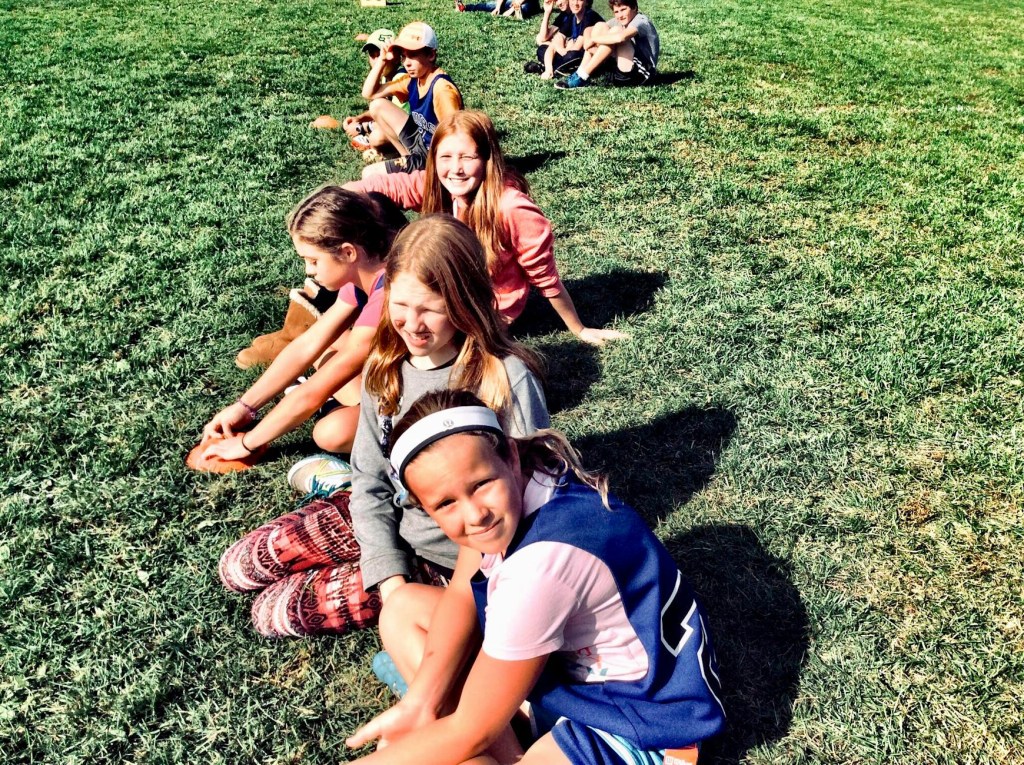
- Encourage everyday interactions: Bring your child along to places like grocery stores, coffee shops, and community events to naturally introduce them to diverse social settings.
- Facilitate communication at home: Promote problem-solving and teamwork among siblings, neighbors, and friends to build essential social skills.
- Role-play social scenarios: Engage in role-playing exercises that simulate various social situations, helping your child feel more confident in different environments.
- Enroll in extracurricular activities: Sports teams, music classes, and book clubs offer structured opportunities for your child to interact with peers and build friendships.
- Network with other homeschooling families: Create a community of like-minded parents and schedule regular social outings, ensuring your child has consistent peer interaction.

Trusting Your Parental Instincts
Ultimately, there’s no one-size-fits-all answer when it comes to education AND socialization. Every child is unique, with their own set of needs and strengths. If you choose to homeschool, don’t be swayed by the social stigma. With the right strategies and a supportive environment, homeschooling can provide a rich, fulfilling educational experience that nurtures both academic and social growth.
So, are homeschooled kids socially awkward? The real question is whether we, as a society, should be labeling children this way at all. Instead, let’s focus on fostering environments—homeschool or otherwise—that support the unique needs and wellbeing of every child.
References
Dumas, Tanya K. and Gates, Sean and Schwarzer, Deborah and Schwarzer, Deborah, Evidence for Homeschooling: Constitutional Analysis in Light of Social Science Research (December 17, 2008). Widener Law Review, Forthcoming, Available at SSRN: https://ssrn.com/abstract=1317439
 Vienna Lane
Leave a comment