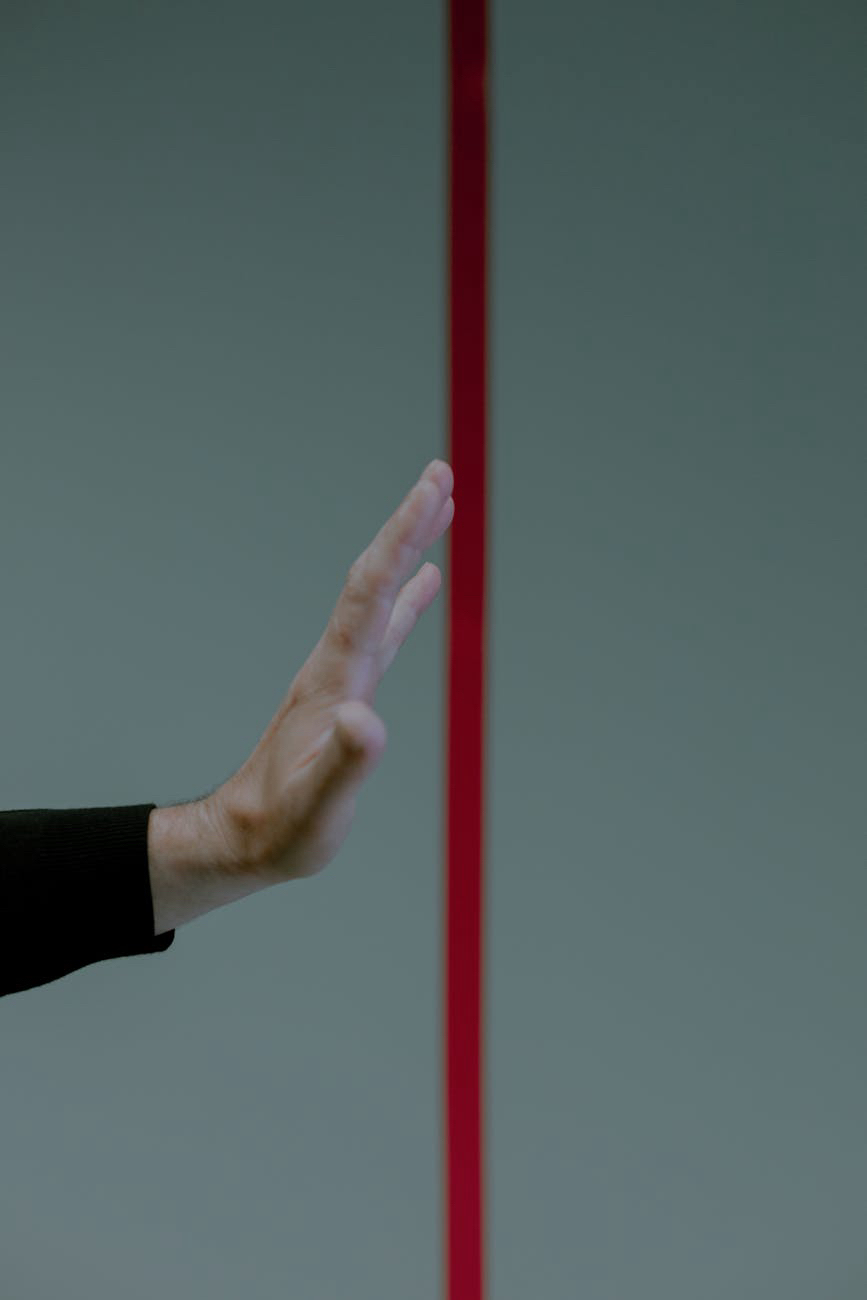
In a world driven by the pursuit of endless possibilities, it’s easy to view limitations as obstacles that hinder our progress. Whether in our personal lives, our environments, or our physical bodies, we often see boundaries as negative constraints that must be overcome. But what if these limitations serve a greater purpose? What if they are not only factual but essential for our growth, health, and well-being?
Are Limitations Real or Subjective?
When we talk about limitations, we need to distinguish between objective, factual limits and subjective, perceived boundaries. Objective limitations are rooted in physical reality. For example, our bodies have certain constraints: hair and nails can only grow so long before they stop, plants and weeds have natural growth cycles, and our physical form has inherent limits in size and capability. These limitations are dictated by biology and physics, grounded in scientific fact.
On the other hand, subjective limitations are the boundaries we impose on ourselves through our beliefs, fears, and past experiences. These are not rooted in physical reality but in our perceptions and mindsets. Often, these self-imposed limits are the ones that hold us back from reaching our full potential.
Question to Ponder: Are your perceived limitations holding you back more than the actual, factual ones?
Natural Limits: The Circle of Life
Nature provides us with clear examples of limitations that are crucial for the balance of life. Plants, for instance, have growth limits that ensure they do not overrun their ecosystems. Hair and nail growth cycles are controlled by genetic and hormonal factors, ensuring they grow to a functional length before stopping. Our bodies have limitations in size and brain mass, optimized through evolution for balance, agility, and cognitive function.
These natural limits are not arbitrary but essential for survival and health. They create a harmonious balance, ensuring that growth does not lead to unsustainable outcomes.
Limitations in Motherhood and Mental Health
As mothers and caregivers, we often face our own set of limitations—both physical and emotional. The demands of motherhood can feel overwhelming, and recognizing our limits can help us manage stress and maintain our well-being. Acknowledging that we cannot do everything perfectly or handle every situation flawlessly is essential for mental health.
Accepting our limitations does not mean giving up; rather, it is about recognizing our boundaries and seeking support when needed. This mindset shift can lead to healthier parenting and a more balanced approach to life.
Question to Ponder: How can acknowledging your limitations improve your mental health and parenting?
Embracing Limitations: A Path to Mindful Living
Mindfulness teaches us to live in the present moment, accepting things as they are without judgment. Embracing limitations is a core aspect of this practice. By acknowledging our limits, we let go of the need to control everything and allow life to unfold naturally. This acceptance leads to a more peaceful and content existence.
For instance, understanding that there are limits to our control over life’s events can reduce anxiety and stress. It helps us focus on what we can change and accept what we cannot, fostering a sense of inner peace.
The Purpose of Limitations: Why They Matter
- Growth and Development: Limitations often encourage us to find new paths and creative solutions. They push us out of our comfort zones and foster innovation.
- Balance and Sustainability: Natural limitations maintain balance in ecosystems, communities, and individual lives. They prevent overgrowth and resource depletion, ensuring sustainability.
- Health and Well-being: Recognizing our physical and emotional limits is crucial for maintaining health. Pushing beyond these limits can lead to burnout, injury, or illness.
- Focus and Prioritization: Limitations help us prioritize what’s truly important. They force us to focus our energy on meaningful pursuits rather than spreading ourselves too thin.
Overcoming Perceived Limitations
While honoring factual limitations is important, it is equally crucial to challenge and overcome our perceived limits. These self-imposed boundaries often stem from fear, lack of confidence, or past experiences. Overcoming them involves:
- Self-Reflection: Identify your perceived limitations and understand their origins. Are they based on reality, or are they products of your mind?
- Positive Affirmations: Replace negative self-talk with positive affirmations that reinforce your abilities and potential.
- Setting Realistic Goals: Break down larger goals into manageable steps. Celebrate small victories along the way.
- Seeking Support: Surround yourself with supportive individuals who encourage and believe in your potential.
Limitations in the Context of Mental Health and Parenting
In the realm of mental health, limitations can serve as protective mechanisms. They help us recognize when we need to step back, seek help, or take a break. In parenting, understanding and respecting our limits can lead to more effective and compassionate caregiving. It allows us to model healthy boundaries for our children, teaching them the importance of self-care and balance.
Question to Ponder: How can you model healthy boundaries and limitations for your children?
Honoring Limitations: Our Takeaway
Honoring limitations, both factual and perceived, is about balance. It’s about understanding that boundaries are not inherently bad or unhelpful; they exist for reasons that often contribute to our overall well-being and growth. By acknowledging and respecting these limits, we can lead more mindful, balanced lives, fostering creativity and open-mindedness.
Conclusion
In a society that often glorifies limitless potential, it’s essential to recognize and honor our limitations. Whether they are rooted in physical reality or self-imposed perceptions, understanding and respecting these boundaries can lead to healthier, more fulfilling lives. Embrace your limitations as opportunities for growth and balance, and remember that they are an integral part of the circle of life.
Summary Points:
- Distinguish between factual and perceived limitations.
- Recognize the importance of natural limits in maintaining balance and health.
- Embrace limitations as a path to mindful living and mental health.
- Overcome self-imposed limits through self-reflection and positive affirmations.
- Model healthy boundaries for your children and prioritize self-care.
By shifting our perspective on limitations, we can transform them from obstacles into opportunities for growth, balance, and mindful living.
References
- Pennsylvania State University Extension. (n.d.). Plant life cycles. Retrieved from https://extension.psu.edu/plant-life-cycles
- Medical News Today. (2020, April 14). How fast does hair grow? Everything you need to know. Retrieved from https://www.medicalnewstoday.com/articles/326764#summary
- Lieber, R. (2013, August 19). The beauty of limits. The New York Times. Retrieved from https://www.nytimes.com/2013/08/19/your-money/the-beauty-of-limits.html


Leave a Reply