
By: Shannon Bussnick, LSW

Hormonal fluctuations can feel like a wild ride for many of us, leading to mood swings, irritability, and other physical symptoms. If you’ve ever wondered, “Why am I so mad on my period?” or “Why is my mood so up and down this time of the month?” you’re not alone.
Here, we will explore Premenstrual Syndrome (PMS) and Premenstrual Dysphoric Disorder (PMDD), shedding light on the causes of these conditions and offering tips for effective management.
What is PMS and PMDD?
PMS is a collection of symptoms that many women experience in the lead-up to their periods. These can range from physical discomfort like bloating and headaches to emotional changes such as mood swings and irritability.
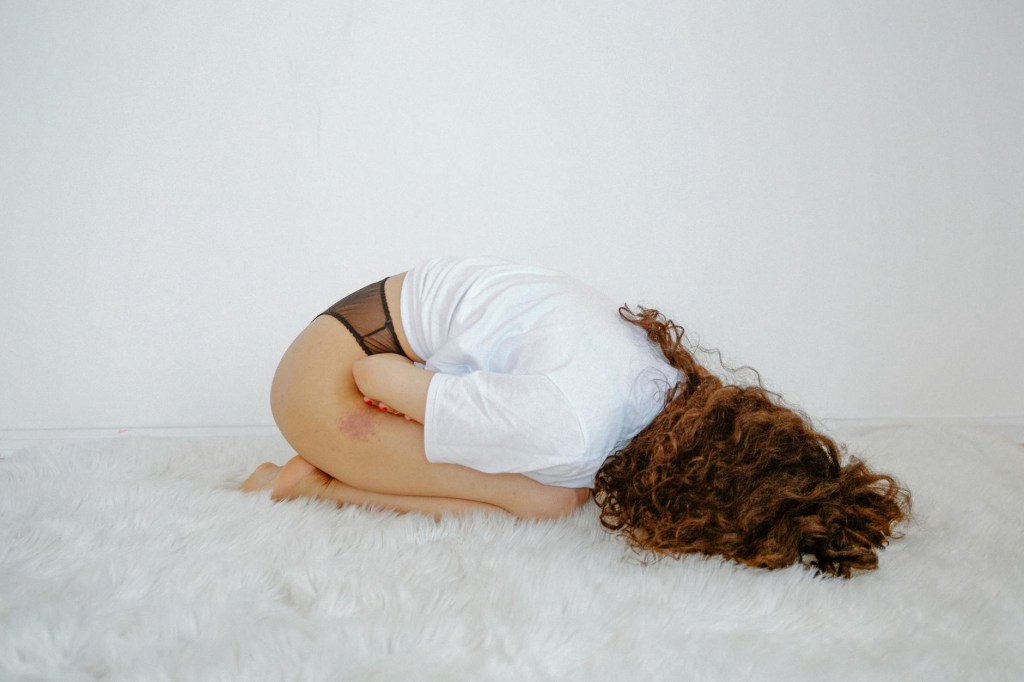
PMDD, on the other hand, is a severe form of PMS. It involves intense emotional and physical symptoms that can disrupt daily life and relationships. Symptoms may include severe mood swings, depression, anger, and physical symptoms so debilitating that some women may wonder, “Why are my periods so bad I can’t walk?”
How Hormones Affect Mood
Hormones play a crucial role in regulating mood. The primary female sex hormones, estrogen and progesterone, fluctuate throughout the menstrual cycle. These fluctuations can significantly impact neurotransmitters in the brain, such as serotonin and dopamine, which are closely linked to mood regulation.
Estrogen has a protective effect on mood by influencing serotonin production and function. During the menstrual cycle, estrogen levels rise and fall, causing mood swings and irritability, particularly evident in the premenstrual phase.
Progesterone, which peaks during the luteal phase, has a calming effect due to its influence on the neurotransmitter GABA. However, high levels of progesterone can contribute to anxiety and depression in some women, especially those sensitive to hormonal changes.
Diagnosing PMDD: Criteria and First Cases
PMDD was first recognized as a distinct condition in the 1980s. Diagnosing PMDD involves a thorough evaluation of symptoms and their severity. The criteria for PMDD include experiencing at least five of the following symptoms during the luteal phase (the two weeks before menstruation) and resolving after menstruation begins:
- Severe mood swings
- Marked irritability or anger
- Depression or feelings of hopelessness
- Anxiety or tension
- Decreased interest in usual activities
- Difficulty concentrating
- Fatigue or lack of energy
- Changes in appetite
- Insomnia or hypersomnia
- Physical symptoms like breast tenderness or bloating
Managing PMS and PMDD
If you’re struggling with PMS or PMDD, there are several ways to manage your symptoms:
Medication Management
Antidepressants: Selective serotonin reuptake inhibitors (SSRIs) can reduce symptoms in many women.
Hormonal Treatments: Birth control pills or hormone therapy can help regulate hormonal fluctuations.
Non-Steroidal Anti-Inflammatory Drugs (NSAIDs): These can help manage physical symptoms like pain and discomfort.
Therapy
Cognitive-Behavioral Therapy (CBT): Effective in addressing mood symptoms and developing coping strategies.

Support Groups: Connecting with others who have PMDD can provide emotional support and practical advice.
Lifestyle Changes
Regular Exercise: Physical activity is a powerful tool for improving mood and reducing symptoms of anxiety and depression.
Balanced Diet: Eating a balanced diet rich in vitamins, minerals, and antioxidants can support hormonal balance and mental health.

Stress Management: Techniques such as mindfulness, meditation, and deep breathing exercises can help mitigate the effects of chronic stress.
Sleep Hygiene: Adequate sleep is crucial for hormonal balance and mental health. Establishing a regular sleep routine and creating a restful sleep environment can improve sleep quality and overall well-being.
When to Seek Professional Support
Recognizing when to seek professional support is crucial. If you’re wondering, “Can I call in sick for period pain?” or if your symptoms are interfering with your daily life, it might be time to consult a healthcare provider. They can offer tailored strategies for managing mood disorders related to hormonal changes.
Living with PMDD
PMDD can be more pronounced during certain life stages. For instance, symptoms may worsen during perimenopause due to significant hormonal fluctuations. Conversely, some women may find relief after menopause when hormonal levels stabilize.
Conclusion
Understanding the complex relationship between hormones and mood is crucial for women’s overall health and wellness. By recognizing each woman’s unique experiences and offering personalized strategies, we can significantly enhance well-being and quality of life. Acknowledging the impact of hormonal changes and taking proactive steps to support women’s health enables them to face life’s challenges with resilience and confidence.
If you are experiencing symptoms of PMS or PMDD, remember you are not alone. Effective treatments and strategies are available to help manage your symptoms and improve your quality of life—from one period of life to the next.
Vienna Lane
References
- Sholtz. (2022). 5 weird things that happen to your body during your period. Health. Retrieved from https://www.health.com/condition/sexual-health/5-weird-things-that-happen-to-your-body-during-your-period
- Cleveland Clinic. (2023). Premenstrual Dysphoric Disorder (PMDD). Cleveland Clinic. Retrieved from https://my.clevelandclinic.org/health/diseases/9132-premenstrual-dysphoric-disorder-pmdd
- Flo Health. (2021). Hormone levels during the menstrual cycle. Flo Health. Retrieved from https://flo.health/menstrual-cycle/health/period/hormone-levels-during-cycle


Leave a Reply