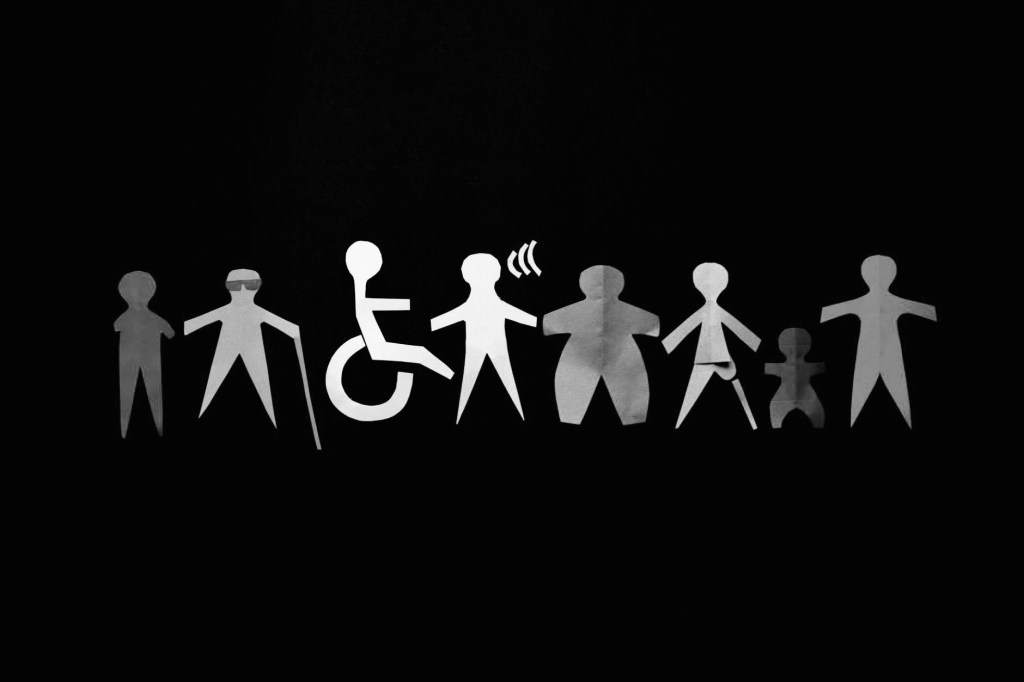
Strength. A concept we often associate with physical prowess, but what if we thought of strength as far more nuanced, existing on a spectrum that encompasses our physical, emotional, and mental states?
Here, we’re discussing the multifaceted nature of strength, exploring how it manifests in unexpected ways, and why comparing our strengths is really a futile endeavor.
The Playground Paradox
Let’s picture this scene for a moment: Two mothers at the local playground, each carrying a 40-pound screaming child who can’t bear to leave the slide they’ve gone down a million times—at least. One mom, known for her gym dedication and killer protein shake recipes, manages the lift and battle walk with ease. The other, less physically inclined (as she openly shares), carries the same weight with equal success.
How do we measure strength in this scenario?
It’s not just about muscle mass or fitness levels, but also resilience, patience, and emotional fortitude.
Let’s start by discussing the various pillars of strength that form our own arena of power.
Pillars of Strength
- Physical Strength: The most visible, yet often overemphasized aspect.
- Emotional Strength: The ability to navigate and regulate our feelings.
- Mental Strength: Cognitive resilience and problem-solving capacity.
- Spiritual Strength: Inner peace and connection to one’s beliefs.
Factors Influencing Strength
- Situational Context: Emergencies can unlock hidden reserves of strength.
- Confidence and Self-Belief: Our mindset significantly impacts our capabilities.
- Past Experiences: Previous challenges shape our approach to new ones.
- Support Systems: The strength we draw from our relationships.
The Mind-Body Connection
Our mental and emotional states profoundly impact our physical strength:
Research in psychoneuroimmunology shows that stress, anxiety, and depression can decrease muscle strength and endurance. Conversely, positive emotions and confidence can enhance physical performance.
Adrenaline and the Fight-or-Flight Response
In high-stress situations, our bodies release adrenaline, triggering the fight-or-flight response. This surge can temporarily boost strength and alertness, allowing us to perform extraordinary feats. It’s why many have been known to lift cars off children and protect themselves in the most trying emergencies.
Daily Fluctuations in Strength
Our capacity for strength isn’t constant or linear. It’s influenced by various factors:
- Sleep Quality: Poor sleep can reduce physical strength by up to 30%.
- Nutrition: Adequate protein and carbohydrates are crucial for muscle function.
- Hydration: Even mild dehydration can significantly impact strength.
- Hormonal Cycles: Menstrual cycles can affect strength levels in women.
- Stress Levels: Chronic stress can lead to fatigue and reduced physical capacity.
- Mental Health: Conditions like depression can impact motivation and energy.
Strength as a Practice
True power isn’t about ranking the strongest or fastest, but rather:
- Recognizing limitations and finding creative solutions
- Being resourceful in the face of challenges
- Not allowing others’ perceptions to define your capabilities
- Continual growth and self-improvement
- Humility and the willingness to learn from others
- Asking for help when needed
The Unpredictability of Strength
We often surprise ourselves in the face of challenging situations. This unpredictability tells us that strength is an innate quality we all possess and we can tap into it when needed.
Redefining Strength
Strength shouldn’t be measured by the weight of your dumbbells or how long you can hold a plank, but by:
- The resilience of your heart
- The depth of your character
- Your ability to be present for yourself and others
- The courage to face your fears
- The wisdom to know when to rest and recover
Our Final Thoughts on the Spectrum of Strength
Strength is a universal phenomenon existing on a spectrum that’s as diverse as humanity itself—with no absolutes and no limitations. Strength transcends; it changes our direction, and it changes that of others as a result. It’s not a fixed trait but a dynamic quality that evolves with our experiences and choices. By embracing this broader definition of strength, we open ourselves to growth, compassion, and a deeper understanding of our own capabilities, and those of others.
Remember, the strongest among us aren’t always the ones who visually appear the most fit, they’re often the ones who lift others up, face their vulnerabilities with courage, and persist in the face of adversity. Your strength is unique to you—nurture it, challenge it, and most importantly, honor it in all its forms.
References
- Irwin, M. R., & Slavich, G. M. (2017). Psychoneuroimmunology of stress, emotion, and mental health. Psychoneuroimmunology, 1, 1-26. https://www.ncbi.nlm.nih.gov/pmc/articles/PMC6070639/
- Marsland, A. L., Cohen, S., Rabin, B. S., & Manuck, S. B. (2006). Stress, immune reactivity and susceptibility to infectious disease. In Psychoneuroimmunology (pp. 677-700). Academic Press. https://www.cmu.edu/dietrich/psychology/stress-immunity-disease-lab/publications/psychoneuroimmunology-including-common-coldcancer/pdf/marsland_etal_2006_chap.pdf
- Morey, J. N., Boggero, I. A., Scott, A. B., & Segerstrom, S. C. (2015). Current directions in stress and human immune function. Current Opinion in Psychology, 5, 13-17. https://www.ncbi.nlm.nih.gov/pmc/articles/PMC9075982/
- Psychoneuroimmunology. (n.d.). In ScienceDirect. Retrieved June 28, 2024, from https://www.sciencedirect.com/topics/medicine-and-dentistry/psychoneuroimmunology


 Vienna Lane
Leave a reply to Shannon Bussnick, LSW Cancel reply